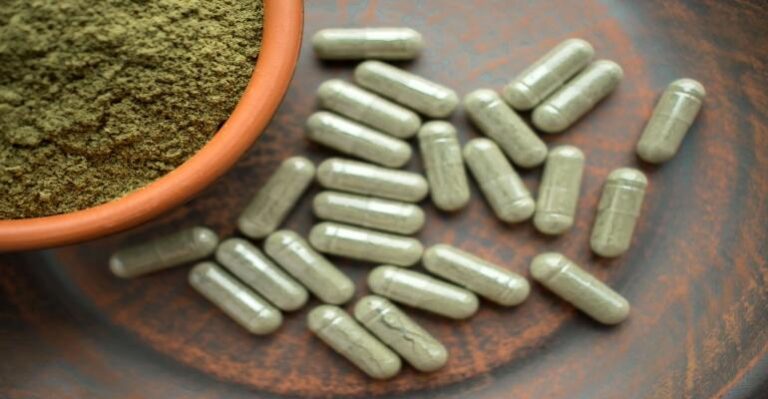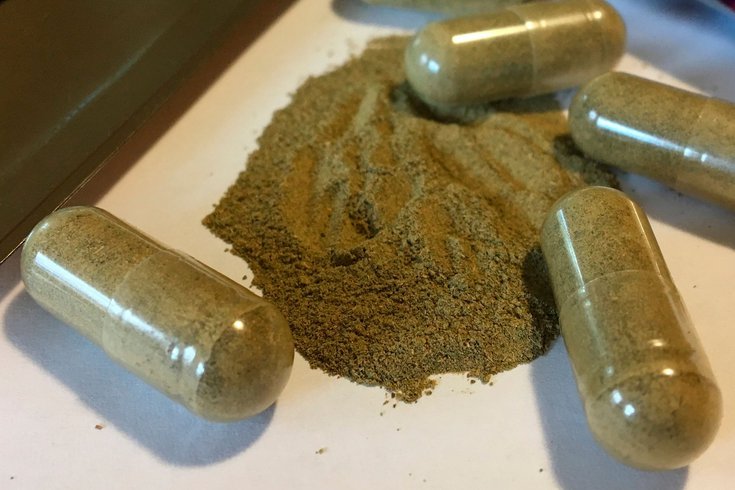

Kratom’s Complex Role in the Opioid Crisis
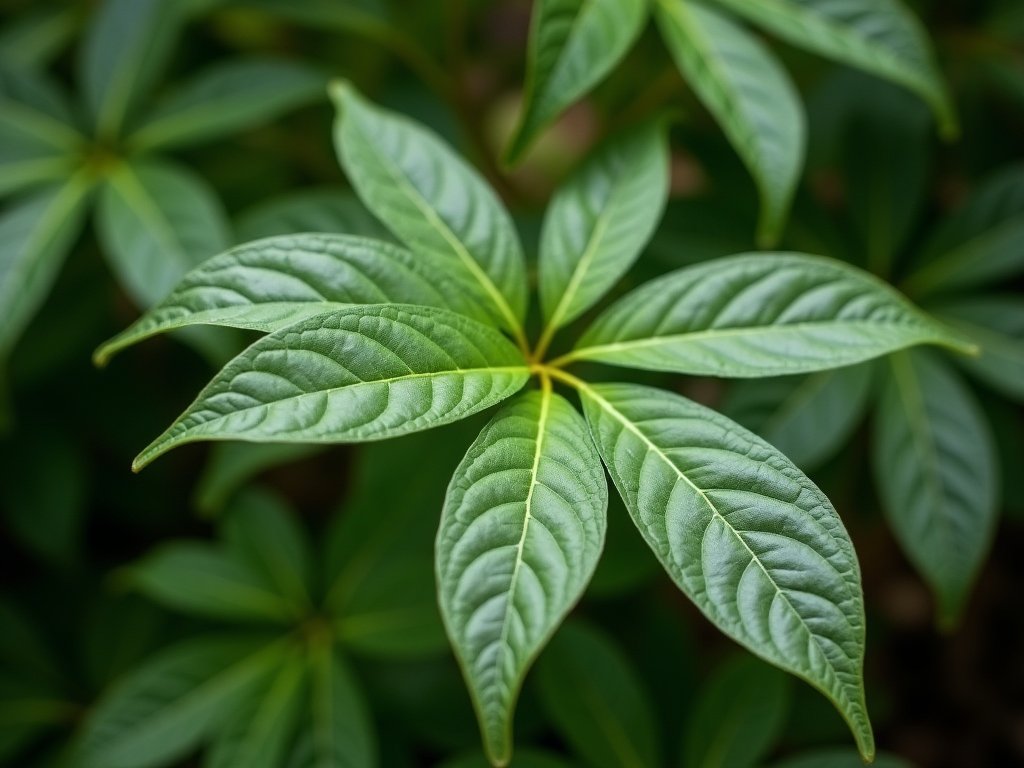
Kratom, a plant long used in Southeast Asia for pain relief and opioid withdrawal, is gaining attention in the United States amid the ongoing opioid epidemic. The leaves of Mitragyna speciosa contain alkaloids like mitragynine and 7-hydroxymitragynine, which interact with opioid receptors in the brain but with a lower risk of respiratory depression compared to traditional opioids. This has led to growing interest in kratom as a potential tool for helping people manage pain or transition away from stronger drugs.
However, the U.S. Drug Enforcement Administration has considered classifying kratom as a Schedule I substance, which would severely limit research and access. Advocacy groups and researchers have pushed back, citing evidence that kratom is less addictive and has a low rate of serious adverse events. Studies also highlight concerns about product adulteration and the need for regulation rather than outright prohibition.
Ongoing research aims to clarify kratom’s pharmacology and potential as a therapeutic scaffold for future painkillers. For now, scientists and policymakers continue to debate its place in medicine and public health. For more details, read the full article at ASBMB Today.